


2016 Nostalgia, Glory in Hedonism and Surviving the Digital Age
Updated: Jul 23
An exploration into the politics of neon cinema
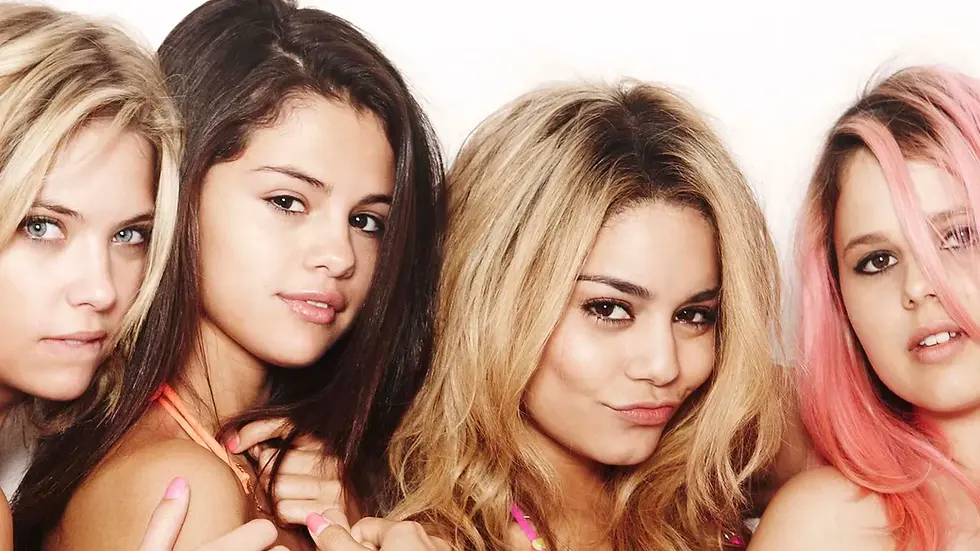
In an era where the world is politically doomed and there’s very little hope in freedom, we’re beginning to live vicariously through nostalgia. The romanticisation of 2016 is not just a trend, but a reflection of our own melancholy in the desire for simpler times. Reminiscing on previous years through rose tinted glasses is a reoccurring tendency within social media, as we’re creating an ever-growing infatuation with life prior to Trump’s election, as well as Covid.
Pleasure is found in nostalgia when political optimism is at an all-time low. In the early 2020’s, we saw the revival of the ‘indie sleaze’ subculture, iconic for its Pre-Instagram party aesthetic. The lack of online surveillance throughout this period made for a sense of authenticity because nobody cared about sensibility or their digital footprint. Social media during this time was seen as a revolutionary way for people to connect and find a sense of community amongst likeminded individuals. The ‘tween’ was a slowly dying element of adolescence, and hangout spaces were becoming less popular. Instead of shopping malls being the go-to spot to socialise, people were turning to social media, for an easier approach to making friends.
In the early days of YouTube, there was a growing desire to stand out and receive attention online, with comedy being the main theme of most viral trends. Once it was recognised that you could gain attention for acting stupid, virality spiked with music parodies, food challenges (bean boozed, cinnamon challenge etc) and pranks. The biggest names on social media included Fred and Jenna Marbles, both celebrated for their humour rather than their looks. The internet was a space for individuals to fuel creativity rather than insecurity. On the opposite end of the internet pendulum, the Tumblr era of the early 2010’s saw encouragement in hyper-individuality. Those who weren’t participating in YouTube challenges were finding a sense of belonging in subcultures, and interest fame was nothing of any interest. Over time, these platforms served hierarchy to those who were more ‘alternative’, driving this newfound infatuation with individuality and niche. The desire to be ‘different’ ultimately led to everybody morphing into one another. Tumblr virality was equally as endorsed in external validation, because everyone wanted to fit in amongst an online community. Whilst Tumblr was a more lowkey platform, it provided attention to those who were more alternative. The ‘it girls’ of the niche internet subcultures were still fame hungry, despite relating to a smaller audience.
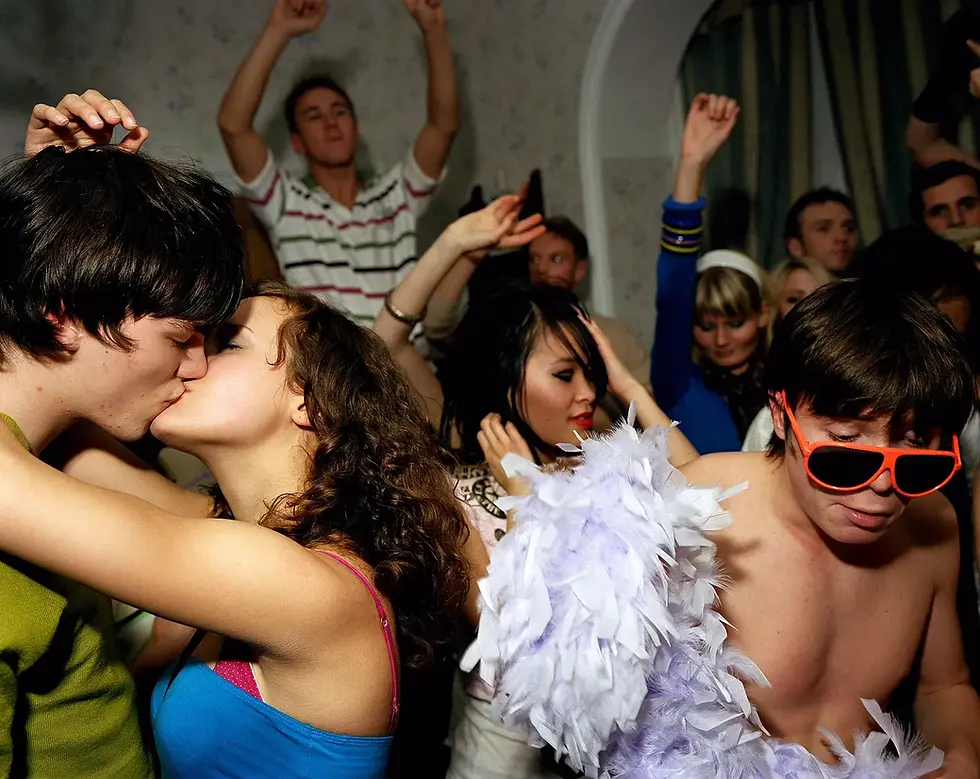
2014 saw a major shift in our approach to posting on social media, with the infatuation of virality beginning to consume our adolescence. There was understanding in what it meant to be ‘cringe’ and online trends would fall flat depending on the appearance of those participating. ‘Alex from Target’ is a notable example of the rising link between online fame and audience attraction. Instagram models were dominating the internet, and followers were becoming a statement of fame. This was a contrast to the earlier years of social media, where comfort was found in subcultures and connecting with likeminded individuals. Social media wasn’t superficial until we encountered the unintentional validation of virality.
2016 saw consumerism massively impact online trend cycles, with celebrity endorsements normalising the use of beauty injections and physical contortion through supplements (which were proved to cause more harm than good). Snapchat filters were the new thing, and nobody could show their face without self-alteration. Vine was shutting down, and comedy content was becoming majorly orchestrated. There was no longer authenticity in posting online, because there was a subconscious craving for virality. Kylie Jenner released her makeup line, drawing attention to it through the iconic ‘Kylie Lip Challenge’. Engaging in internet trends was the way to sell a product because it was taught to younger individuals that fame was to be desired. Children and teenagers on the internet were growing up under the assumption that involvement in popular trends was a sufficient source of validation. Because celebrities will always remain at the forefront of popular culture, having this access to them through social media has caused more insecurity and vulnerability than ever before.
We look back on 2016 through rose-tinted glasses. Edits are made using vivid filters and ‘Lean On’ by Major Lazor plays as the soundtrack. Music from this era was cheerful, with EDM and house seeping through into mainstream chart releases. We view 2016 as a simpler time, because it was our last year of political hope before the decade of Trump’s sporadic presidency. This was also the beginning of social media’s influence on our self confidence, which was underestimated at the time. There was an excitement in how superficial the internet was, and our involvement in trends was all-consuming. The desperation to fit in wasn’t thought to be unhealthy because we were so much younger. Ten years have gone by, and there’s a collective understanding of the harm caused by social media. Life feels grittier, and the coloured filters of 2016 have faded. Life has lost its colour and it’s not because 2016 was so great.

The desire for political freedom and excitement draws me to Harmony Korine’s masterpiece ‘Spring Breakers’. The film is a tale of four girls who rob a bank in order to fund a trip to Miami. At the beginning of the film, we see them unfulfilled with their monotonous school routine, searching for liberation through their plan to celebrate spring break. The fact it was released in 2012, during the Obama era of politics, is what makes it resonate so well with audiences today. Our desire to return to a period filled with hope is reflected through the hedonistic fantasy portrayed through the film. The ‘indie sleaze’ era of the internet peaked through 2012 when Tumblr was popular. There was optimism in the political state of the world due to Obama’s presidency, and this is reflected through the liberation we see surrounding the ‘indie sleaze’ aesthetic.
‘Spring Breakers’ is incredibly bleak in terms of its writing, which serves intention due to the contrast between the neon, candy coloured aesthetics of the film. The characters boredom within their typical suburban lifestyle in which they manage to escape, works against the vibrant cinematography because it creates a dream-like feel to the story. It adds weight onto the liberation because it’s something we don’t feel today in this political climate. The yearning for freedom mirrors the current hedonistic displays of vitality we see online, because we view 2016 as a simpler time. There’s an expectation for adolescence to feel liberating, and the film explores themes of American suburban stereotypes which elevate this assumption.
The spring break period is a heavily anticipated time of celebration, seeing American students vacate to beach locations and engulf themselves in underage drinking. Observing this culture as a Brit is fascinating to me because there is such a large difference between drinking in the UK compared the US. We don’t flaunt our drinking behaviours or publicise it - because it’s normalised. Across the pond, spring break beach parties were traditionally televised on MTV prior to the late 2000s, glorifying the sleaziness of underage drinking. This was around the time that Jersey Shore was popular, and trashy reality tv was a booming element of pop culture amongst young adults. I believe the rise in the surveillance of partying, which ultimately lead to the birth and death of ‘indie sleaze’, was a way of proving that American teens no longer wanted to abide to a squeaky-clean suburban image. Broadcasting provocative beach parties was a way of tainting the patriotic stereotype of what it meant to be an American citizen. Breaking the rules was a hedonistic approach to freedom which we will never have access to because we no longer have faith in authority.
I view spring break culture pre 2020’s to be rather PG13 despite the graphic acts of sex and drug use in the film. Sieving through archive footage of spring break parties was fun until I learned that fake jails were implemented into the beaches, as a way of regulating debauchery. There’s a feel of rebellion surrounding its culture despite it being a government orchestrated period of celebration. By providing teenagers with a monitored period to rebel, it lowers the opportunities for them to engage in sleazy acts throughout the year. There’s a picture for it to be the most pivotal moment in adolescence because it signifies a celebration of no longer having to conform to the standards of hard work in studies. The American Dream perpetuates hustle culture at its forefront, selling the idea of vacation as a reward. Preserving the belief that fun must be earned as a result of dedication towards the monotonous suburban routine, made it inevitable for teenagers to indulge in dissipation.
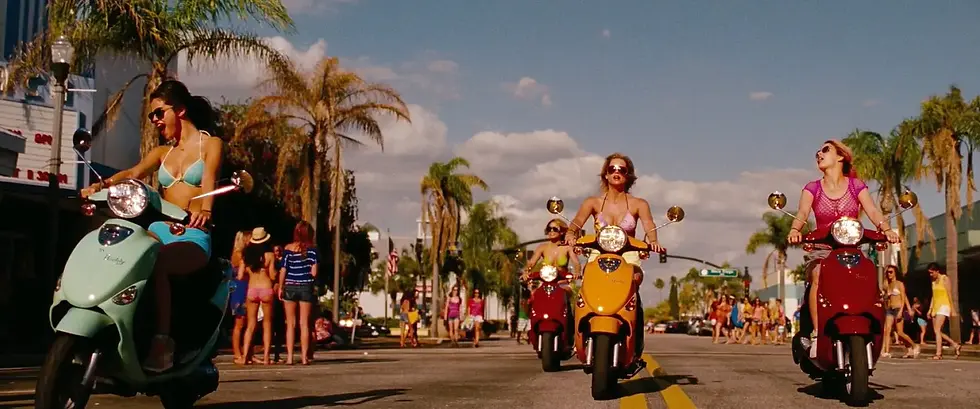
Excitement in avoiding discontent is a trope heavily associated with films released post 9/11. American culture was heavily celebrated in order to shift sentiment back to faith in authority. A sense of community was craved throughout the country, and Obama’s presidency was the last time we felt hope in politics. It’s difficult to view the current state of the world through rose-tinted glasses, driving distrust and a lack of amusement towards the glory of Americana.
‘Spring Breakers’ is a tale of seeking physical gratification and a pursuit of lifelong tranquility. During 2012, there was far more optimism in the state of the world politically, and this ended around 2016 prior to Trumps election. The romanticisation of 2016 resonates deeply with the themes of this film because we view that year as a period of liberation, aestheticising every minor detail from internet trends to popular music at the time. The pursuit of pleasure explored in the films duration mirrors our utopian depiction of a year which, at the time, felt average at best. The disillusionment of the adolescence once promised has prompted a loss of ingenuousness we now long for, in a time where life feels bleak. We watch as the characters engage in reckless acts, insouciant to any consequences. In 2026, rebellion is glorified by ‘messy girl’ aesthetics, and a distaste for the heavily curated nature of social media. We are becoming hyper-aware of the toxicities behind internet trends and virality. Those who were too young to have understood the hedonistic themes behind ‘Spring Breakers’ or ‘Skins’, are now idealising its provocative nature. People yearn for ‘indie sleaze’ to make a comeback, but this isn’t possible in an era where social media is at the forefront of our self-perception.
The interest in authentic online content will never lead to a hedonistic approach to posting. Hedonism requires such a great desire for pleasure that everything is done to prevent existential boredom. Surveillance through social media and our obsession with external validation removes all authenticity from the ‘messy girl’ aesthetics. Korine’s choice to cast two ex Disney stars (Vanessa Hudgens and Selena Gomez) serves intention through Disney’s significance in Americana. Disney has promoted idealised, optimistic American values, priding itself on its squeaky clean, family friendly image. It feels very American in its nature, factoring its resorts as a tourist hotspot in order to profit from its celebratory American spirit. Casting these once innocent, pure of heart girls in a film examining graphic acts of sex and drug use, perfectly incapsulates the freeing ambience of ‘Spring Breakers’. The actresses claimed to participate in the film in an attempt to break free from the squeaky-clean image that Disney had portrayed. Gomez and Hudgens stood at the forefront of a company which encourages a sense of triumph in good over evil, as well as resilience. The films themes allow them to explore the lengths of their own moral compass, without being shadowed by their ‘good girl’ image which had been crafted for them.

Upon my rewatch of ‘Spring Breakers’ I was reminded of a film with similar themes and visuals - ‘Assassination Nation’. Whilst the story falls flat in places and the direction from Sam Levinson provides for a nauseating watch at times, I was infatuated by the choice of a hyper-saturated colour palette, reminiscent of ‘Spring Breakers’. The neon aesthetics of the films play a significant role in their memorability. The ‘candy’ colours symbolise fantasy in excess, alluring to the idea of crime curating a dream land for spirits to run free. There’s a distortion of reality uncovered within the cinematography because the colours taint the reliability of what we’re seeing. The vibrant hues almost appear psychedelic, driving the allure of psychological hedonism explored throughout the films. The merging of youth culture and violence further initiates this idea of actions being separated from their consequences, in a superficial pursuit of pleasure and playfulness.
These colours highlight the absurdity of their actions, and artificiality of the American Dream which they choose to navigate through criminality in an attempt to understand their own purpose living in suburban America, in an era of rising modern decadence. There’s an element of melancholy which lurks beneath the candy-coloured facade of 2016. We associate these simpler times with upbeat music and highly saturated imagery, painting the year through a rose-tinted lens. Escapism through partying and living out fantasies of physical gratification is no longer ideal in a world where we act under the surveillance of social media. Cringe culture seeps through our subconscious, eliminating our own ability to liberate ourselves. The world is losing faith in humanity, of which cannot be saved by neon aesthetics. Maybe it is that damn phone after all.