


Would Anthony Bourdain Have Wanted This?
Updated: Aug 20
Assessing the blurred line between commodification and celebration
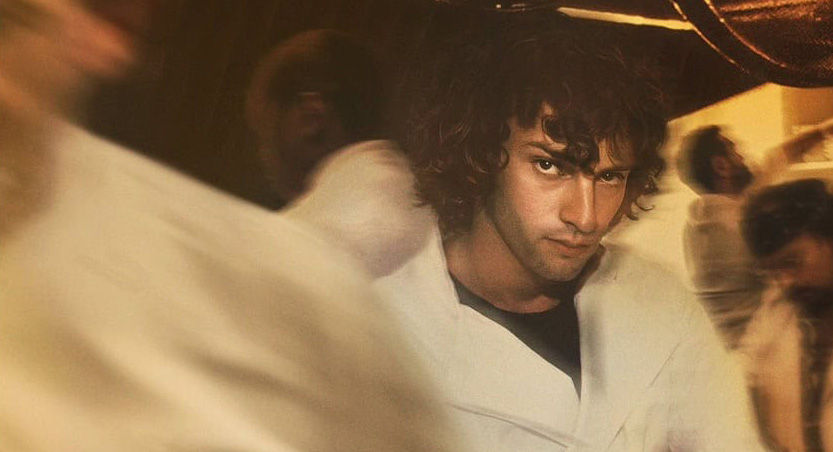
When it was announced that A24 would be producing a film based on the late Anthony Bourdain, reactions were mixed. On one hand, fans anticipated a well-crafted, sensitive exploration of his life. Whereas, others felt this was an invasive exploitation of someone who had not consented to their story being told by strangers. Following the film’s release this week, it’s safe to say that the discourse has not settled. If anything, it has only just begun.
Whilst this film technically fits into the biopic category, Tony avoids every stereotype of the genre. Recent years have seen an influx of biopics that fail to celebrate the lives of the people they portray. The Amy Winehouse biopic Back to Black was not only a disappointment to fans, but an insult to her legacy due to poor casting choices and a lack of care towards the deeply sensitive themes it explores. When a public figure has struggled with addiction or mental health issues, their estate often releases a statement regarding the production, expressing discomfort that their personal grief is being turned into a spectacle for profit. What sets Tony apart is that Bourdain’s estate spoke fondly about the portrayal, giving audiences no reason to defend him against the money-making machine that is Hollywood.
A24 are noted for their sensitivity towards difficult stories, including The Iron Claw and The Smashing Machine. This is not a film which goes to great lengths to explore the full extent of Bourdain’s struggles; it’s a tale of a man who loved to cook. The roots of his talent are portrayed in a way which doesn’t sugarcoat him as a character. If you hadn’t heard of Anthony Bourdain before watching the film, you’d have no idea it was a biopic - and this, to me, is a testament to Matt Johnson as a director. The story leaves a lot to the imagination, and does not intrude on elements of his life which he would not have chosen to share.
I watched the film on the day of its release, in an independent cinema with red velvet seats and curtains draped beside each corner of the screen - isn’t that exactly what Anthony Bourdain would have wanted? Well, clearly not. Because, according to the majority of his fans, he would have hated all of this.
When he died by suicide in 2018, it was a tragedy that stayed with a lot of people. Bourdain had inspired people from all over the world in so many ways. His travel series Parts Unknown had influenced people to explore the world and step outside their comfort zones. Compared to most TV personalities, Anthony Bourdain was a breath of fresh air. He would speak confidently about politics, was down to earth, and incredibly vulnerable with his audience. Fans admired his candid approach to presenting, setting him apart from the stereotypes of stardom.

I understand why people were initially apprehensive about watching Tony. Anthony Bourdain was not a figure of commodification like Britney Spears or Michael Jackson. Because Bourdain was praised for being ‘normal’, it really makes you wonder if anyone wanted this in the first place. Tony is far from glamorous. It’s a slow-burning tale of a young man who loves to cook. There’s no exploitative nature lurking beneath its themes, because there’s nothing there to exploit.
The uproar stemmed from the ethics of telling his story on his behalf. It’s not too unclear as to whether this is immoral, because the story isn’t portraying any major personal struggles. Yes, it’s his story, but it’s already been told. The film is essentially a visual narrative of his memoir, Kitchen Confidential, which, realistically, he probably would not have directed anyway, even if he were alive. Films such as Michael and Back to Black are deserving of far more slander because they are selling trauma. Tony is doing quite the opposite. People are reading his book and revisiting his series - not creating conspiracies surrounding his death, as it was assumed the film would encourage.
To write a film about someone’s life suggests that they are a concept, rather than a human being, but Tony humanises Bourdain in a way we never thought we would see again. The ‘concept’ of Anthony Bourdain actually comes from his fanbase and the narrative they have created around him. It’s common for people to repost photos of him with a cigarette in hand, captioned with a profound quote of his from 20 years ago. A lot of his younger fans simply view him as a God, and for that reason, his story must not be touched. But is that not hypocritically conceptualising him? Handling his story with care is a more productive ode to his career than placing him on a pedestal and acting as though you know him personally.
When celebrities are naturally intelligent and profound, they gain an insufferable fanbase. It happened with Lana Del Rey, Radiohead, and now Anthony Bourdain. People believe that he was too much of an intellectual to have his life summarised by people who never even met him. But reading Kitchen Confidential once doesn’t exactly mean you’re touching shoulders with him. Anthony Bourdain was a man of good taste. He was daring, and open minded - which is rare to see through such an unfiltered lens. Tony was a visually stunning, carefully crafted film with standout performances all round (particularly from Dominic Sessa, who portrayed Bourdain). If there’s a morally correct way to honour his legacy, this was clearly the way to do it.